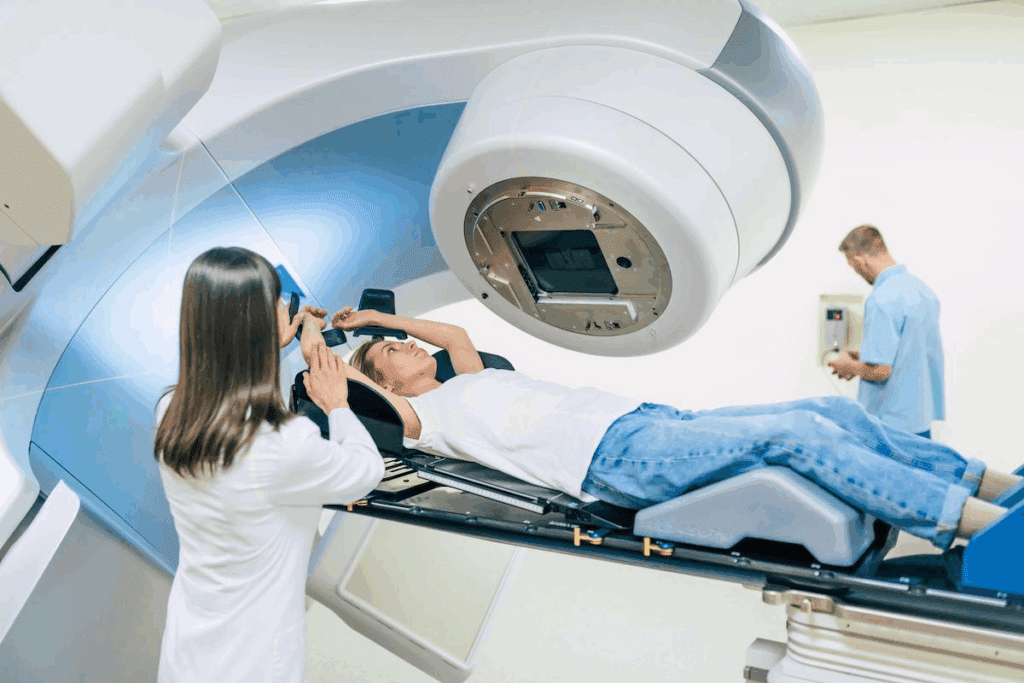
Radiation safety stands as a cornerstone of responsible medical imaging practice. As healthcare professionals, our primary obligation is to protect patients from unnecessary radiation exposure while ensuring that diagnostic quality remains uncompromised. This delicate balance requires comprehensive understanding, vigilant implementation of safety protocols, and ongoing commitment to best practices.
The ALARA Principle
The foundation of radiation safety in diagnostic imaging rests on the ALARA principle: As Low As Reasonably Achievable. This philosophy guides every decision in medical imaging, from protocol selection to equipment settings. ALARA is not simply a regulatory requirement but a fundamental ethical commitment to patient welfare that should inform every aspect of imaging practice.
Implementing ALARA effectively requires radiologists and technologists to constantly evaluate whether imaging is necessary, what modality is most appropriate, and how to optimize techniques to minimize dose while maintaining diagnostic quality. This means considering alternative imaging methods that do not involve ionizing radiation, such as ultrasound or MRI, whenever clinically appropriate.
Justification and Optimization
Before any radiological procedure, proper justification is essential. Healthcare providers must determine whether the diagnostic information gained from the examination will meaningfully influence patient management. This decision-making process involves weighing the benefits of obtaining diagnostic information against the potential risks of radiation exposure.
Once an examination is justified, optimization becomes paramount. Modern imaging equipment offers numerous parameters that can be adjusted to reduce radiation dose. Automatic exposure control systems, when properly calibrated, adjust radiation output based on patient size and anatomy. Understanding these systems and their appropriate use is crucial for every imaging professional.
Protocol standardization plays a vital role in optimization. Facilities should establish evidence-based protocols for common examinations, incorporating dose-reduction strategies while maintaining diagnostic adequacy. These protocols should be regularly reviewed and updated based on new research findings and technological advances.
Equipment Quality Control
Maintaining imaging equipment in optimal condition is essential for both image quality and radiation safety. Regular quality control testing ensures that equipment operates within specified parameters and that safety features function correctly. Facilities must implement comprehensive quality assurance programs that include daily, weekly, and annual testing protocols.
Dose monitoring equipment should be calibrated regularly to ensure accurate measurements. Many modern systems include automated dose tracking capabilities that log radiation exposure for each examination. This data is invaluable for identifying opportunities for dose reduction and monitoring trends over time.
Specific Populations Requiring Extra Protection
Certain patient populations require heightened attention to radiation safety. Pregnant patients present unique challenges, as fetal exposure must be carefully considered and minimized. When imaging is necessary during pregnancy, protocols should be modified to reduce fetal dose, and alternative non-ionizing modalities should be prioritized whenever possible.
Pediatric patients are particularly sensitive to radiation effects due to their developing tissues and longer life expectancy. Pediatric imaging protocols should use significantly reduced radiation doses compared to adult protocols. The Image Gently campaign has provided excellent guidance for pediatric dose reduction, emphasizing child-sized techniques and appropriate protocol selection.
Patients requiring repeated imaging examinations warrant special consideration. Cumulative radiation exposure from multiple studies can become significant, particularly in patients with chronic conditions requiring frequent imaging. Maintaining dose history records and considering alternative imaging modalities for follow-up studies can help manage cumulative exposure.
Staff Protection and Training
While patient safety is paramount, protecting imaging staff from occupational radiation exposure is equally important. Healthcare workers in imaging departments must use appropriate protective equipment, including lead aprons, thyroid shields, and protective eyewear when necessary. Personal dosimetry badges should be worn consistently and monitored regularly.
Comprehensive training programs ensure that all staff members understand radiation safety principles and their implementation. This training should cover not only technical aspects but also communication skills for explaining procedures and safety measures to patients. Regular refresher courses keep staff updated on evolving best practices and new technologies.
Communication with Patients
Effective communication about radiation risks and benefits is essential for informed consent and patient confidence. Healthcare providers should explain examinations in accessible language, addressing patient concerns about radiation exposure while emphasizing the importance of necessary diagnostic procedures.
Patients should be informed about the steps taken to minimize their radiation exposure, including the use of optimized protocols and modern dose-reduction technologies. This transparency builds trust and helps patients understand that their safety is a top priority.
Regulatory Compliance and Documentation
Adherence to regulatory requirements forms an essential component of radiation safety programs. Facilities must maintain appropriate licenses, conduct regular safety inspections, and document all radiation-related activities. These requirements vary by jurisdiction but generally include dose monitoring, equipment testing, and staff training documentation.
Incident reporting systems should be established to document and analyze any radiation safety concerns or deviations from established protocols. These reports provide valuable learning opportunities and help prevent future incidents.
Conclusion
Radiation safety in diagnostic imaging requires ongoing vigilance, continuous education, and unwavering commitment from all healthcare professionals involved in medical imaging. By consistently applying the ALARA principle, implementing optimized protocols, maintaining equipment properly, and fostering a culture of safety awareness, we can ensure that patients receive the diagnostic benefits of medical imaging while minimizing their radiation exposure. As technology continues to advance, staying informed about new dose-reduction techniques and best practices remains essential for every imaging professional dedicated to providing safe, high-quality patient care.